
Summer Sale On Now | Call or Text 1-877-587-5387

Nordica Sauna is now SaunaKits.com!  More info here

This section doesn’t currently include any content. Add content to this section using the sidebar.

This section doesn’t currently include any content. Add content to this section using the sidebar.

This section doesn’t currently include any content. Add content to this section using the sidebar.

This section doesn’t currently include any content. Add content to this section using the sidebar.

Learning Center

Is Sauna Before Bed Good? Tap Into Sauna Sleep Benefits

By Chris Tester, Co-founder, SaunaKits.com · Last updated July 21, 2026 · 8 min read

Deciding whether to sauna before bed or in the morning matters. Learn about the effects on sleep and potential benefits in this guide.

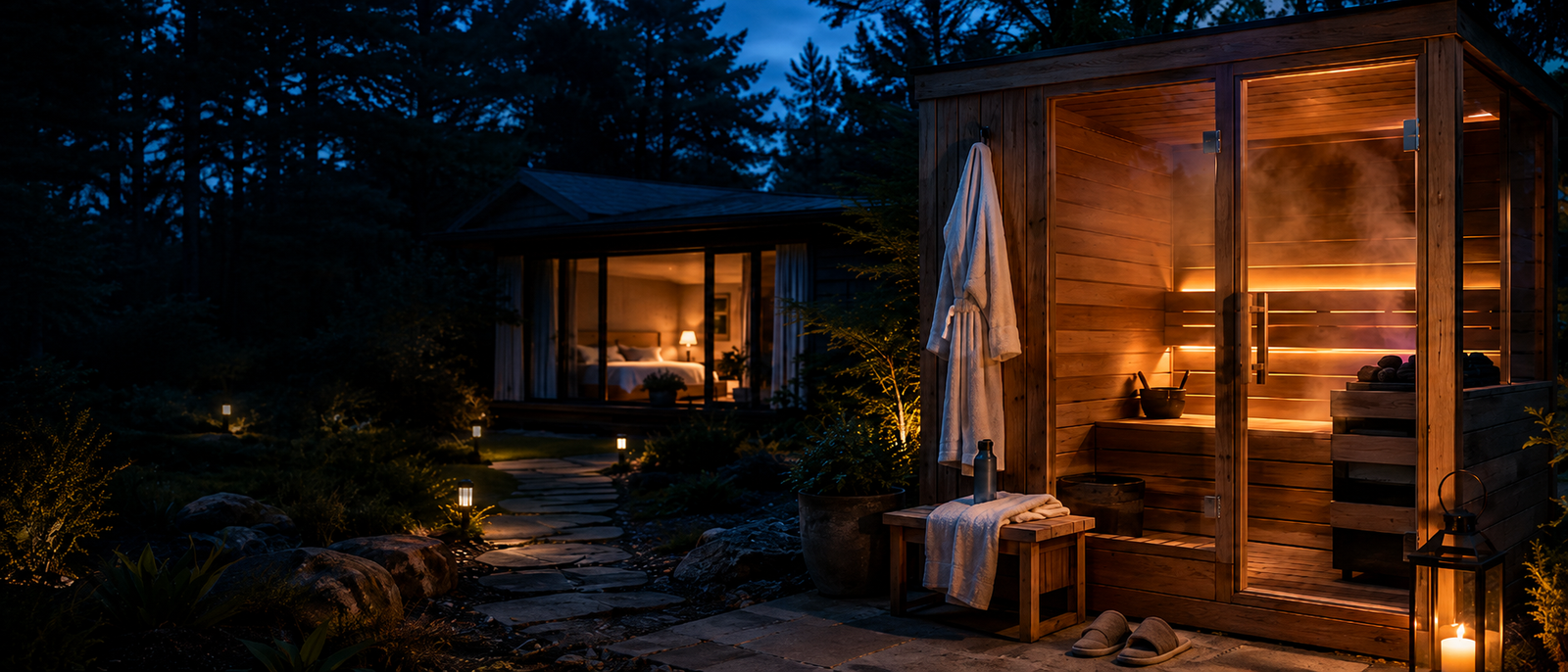
Outdoor Sauna at Dusk
Quick Answer

Is a sauna before bed good for sleep?

Yes, for most healthy adults, a sauna before bed can improve sleep because the rapid drop in core body temperature after you step out of the heat is one of the strongest signals your brain uses to start sleep. The catch is timing: finish your session roughly 60-90 minutes before lights-out so your body has time to cool down.

Key Takeaways

  • A sauna before bed works by cooling, not heating: the fast drop in core temperature after you leave the heat is the physiological trigger that helps you fall asleep faster.
  • Timing beats intensity: finishing 60–90 minutes before bed lets the same passive-heating effect that a 2019 meta-analysis linked to faster sleep onset work in your favor.
  • 15-20 minutes is sufficient: a moderate session, not a marathon, delivers the sauna sleep benefits without leaving you overheated at bedtime.
  • Evening or morning both help: evening sessions favor wind-down and muscle relaxation; morning sessions favor alertness. Many people do both.
  • Hydration and cool-down are non-negotiable: replace fluids and let your body settle, or the heat that relaxes you can keep you awake.

General Overview of Sauna Therapy

Sauna therapy is the practice of exposing your body to short, repeated sessions of dry or radiant heat, usually for 10-20 minutes at a time. There are two common formats. A traditional sauna (the Finnish style) uses a stove to heat the surrounding air to roughly 150-195°F (sometimes higher), while an infrared sauna uses infrared light to warm your body directly at gentler air temperatures of about 120-150°F. Both raise your core temperature and set off the same cardiovascular and nervous-system responses that create the sauna sleep benefits we'll cover below.

That shared mechanism is why the sauna and effect on sleep holds up regardless of which type you own. Whether you use an indoor infrared sauna in a spare room or an outdoor infrared sauna in the backyard, the physiology of heating up and then cooling down is what matters for rest.

Key terms you'll see in this guide

  • Core body temperature: your internal temperature, which naturally dips at night and is central to when you feel sleepy.
  • Thermoregulation: how your body senses and manages heat, mainly by widening blood vessels to shed warmth through the skin.
  • Sleep-onset latency: how long it takes you to fall asleep once you're in bed and trying to.
  • Vasodilation: the widening of blood vessels that heat triggers, boosting circulation and heat loss.

Is Sauna Before Bed Good? 3 Sauna Sleep Benefits

Is sauna before bed good for you? For most healthy people, yes. Three well-understood mechanisms drive the benefits of sauna before bed, and together they explain why so many people fall asleep faster after an evening session.

The Effect on Your Body Temperature

The biggest effect of using a sauna before bed is thermal. Sleep onset is tightly coupled to a decline in core body temperature, and passive heating paradoxically speeds that decline. When you leave the sauna, your blood vessels stay dilated and your warm hands and feet dump heat efficiently. A landmark 1999 study found this distal skin-warming pattern was the single best predictor of how quickly people fell asleep, outperforming even melatonin timing. In short, heating up now helps you cool down faster later, and that cool-down is what tells your brain it's time to sleep.

Stress Reduction Benefits

Heat is also a reliable off-switch for a busy mind. Sauna sessions have been shown to lower circulating stress hormones and shift the body toward parasympathetic "rest and digest" activity, while the warmth prompts a release of mood-supporting beta-endorphins. If racing thoughts are what keep you up, using a sauna for stress in the evening can quiet that mental noise. This calming effect is a big part of why an evening session feels so restorative.

Easing Tense Muscles

Finally, heat loosens tight muscles. Vasodilation increases blood flow to your tissues, delivering more oxygen and helping to relax the knots and stiffness that make it hard to get comfortable in bed. For anyone who carries tension in their neck, shoulders, or lower back, this physical release is one of the most immediately noticeable sauna sleep benefits.

Is There Any Drawback to Nighttime Sauna Use?

There are a few. A minority of people find heat stimulating rather than sedating, and using it too close to bedtime with no time to cool down can leave you overheated and alert instead of drowsy. Dehydration is the other risk. Sweating without replacing fluids can cause a dry mouth or a middle-of-the-night wake-up. The table below sums up the trade-offs.

Benefits

4
  • Speeds the post-heat drop in core temperature that triggers sleep
  • Lowers stress hormones and calms the nervous system
  • Relaxes tense muscles and improves circulation
  • Pairs easily with a consistent wind-down routine

Drawbacks

4
  • Sessions too close to bed can leave you overheated and alert
  • A minority of people feel stimulated rather than sleepy
  • Sweating can dehydrate you and cause night waking
  • Not advised for some heart or blood-pressure conditions without medical sign-off
Bottom line

the benefits of sauna before bed make it a strong sleep aid for most healthy adults, as long as you leave a cooling window and stay hydrated.

Deciding Between a Sauna Before Bed or In the Morning

Choosing between a sauna before bed or in the morning comes down to what you want from the session. Evening use leans into relaxation and sleep; morning use leans into alertness and setting up your day. Neither is wrong, but here is how they compare.

Consideration Sauna before bed Sauna in the morning
Best for Winding down, easing muscle tension, faster sleep onset Waking up, boosting alertness and circulation
Main effect Post-heat cooling primes you for sleep Heat and endorphins leave you energized
Ideal timing 60-90 min before bed After waking, before or between morning tasks
Watch-out Leave a cool-down window Can feel draining before a workout

Swipe to compare →

Benefits of Starting Your Day With a Sauna Session

A morning sauna can act like a gentle wake-up call. The heat raises your heart rate and circulation, releases endorphins, and can leave you feeling clear-headed and loose. If you tend to feel stiff first thing, or you want a calm but alert start without reaching straight for caffeine, morning sessions have real appeal. The main downside is that intense heat early on can feel draining if you have a demanding physical day ahead.

Can You Sauna Before Bed and in the Morning?

Yes. There's no rule against using your sauna twice a day, and plenty of enthusiasts do. If you go this route, keep total heat exposure reasonable, hydrate well between sessions, and listen to your body as two shorter sessions are gentler than two long ones. For guidance on how often is sensible overall, see our guide to sauna frequency.

Making the Most of the Sauna For Sleep

Understanding the sauna before bed effect on sleep is only half the story; timing and routine do the rest. A few simple habits turn a good session into a genuinely better night.

The Recommended Time Between Sauna and Bedtime

Aim to finish your session about 60-90 minutes before you want to be asleep, with 90 minutes being a reliable sweet spot. That window lets your core temperature rise, then fall below its starting point. This is the exact cooling curve that research on warm bathing before bed links to faster sleep onset and better sleep efficiency. Head to the sauna right before climbing under the covers and you may still be too warm to drift off.

How Long Should You Sauna Before Bed?

For evening use, 15-20 minutes is usually ideal. That's long enough to raise your core temperature and trigger the relaxation response, but not so long that you feel wrung out. Beginners should start closer to 10 minutes and build up. If you want a fuller breakdown, read how long should you stay in a sauna. The best time to use a sauna ultimately depends on your goals, but for sleep, a moderate evening session is hard to beat.

Winding Down During and After Your Sauna Session

Treat the session itself as part of your wind-down. Keep the lights low, leave your phone outside, and breathe slowly. Afterward, take a lukewarm (not cold) shower to help your body settle, put on loose clothing, and let yourself cool naturally. Drinking water throughout keeps dehydration from undoing the calm you just built.

More Sleep-Supporting Habits to Try

A sauna works best alongside good sleep basics: a consistent bedtime, a cool and dark bedroom, and limited screens in the last hour. Caffeine after early afternoon and heavy meals late at night both work against you. Stacked together, these habits and a well-timed sauna reinforce each other.

Additional Benefits of Sauna Therapy

Better sleep is far from the only reason to sit in the heat. Regular sauna therapy is linked to a range of whole-body benefits that make it worth the habit.

Supporting Cardiovascular Function

The most striking evidence comes from long-term Finnish research. In a cohort followed for two decades, men who used a sauna 4-7 times per week had roughly a 50% lower risk of dying from cardiovascular disease than those who went just once a week, along with a markedly lower risk of sudden cardiac death. Sauna heat appears to act a little like light exercise by raising heart rate, improving vessel function, and helping to lower blood pressure over time.

The Detoxification Side of Things

Sweating is your body's built-in cooling system, and a sauna gets it going in earnest. While your liver and kidneys do the heavy lifting of detoxification, the deep sweat of a sauna session supports the process and leaves many people feeling refreshed and "reset" afterward. This state dovetails nicely with winding down for the night.

Managing Physical Discomfort

The same increase in circulation that eases bedtime muscle tension can help with everyday aches. Improved blood flow delivers oxygen to sore tissues and can soothe tension headaches and stiff joints, which is why heat therapy is a longstanding tool for managing minor physical discomfort.

Improving Your Recovery Rate

For active people, saunas are a recovery tool. Infrared sauna use in particular has been associated with reduced perceived muscle soreness and better neuromuscular recovery after hard training. Combine that with the deeper, more restorative sleep an evening session can promote, and the sauna becomes a two-for-one recovery tool.

Parting Thoughts on Sauna and Sleep

So, is sauna before bed good? For the vast majority of healthy adults, the answer is a confident yes. The magic isn't the heat itself but the cool-down that follows. Finish 60-90 minutes before bed, keep it to a moderate 15-20 minutes, and hydrate, so you set the stage for faster, deeper sleep. Whether you prefer an evening or a morning session, the payoff rewards consistency more than intensity. If you have a heart condition, are pregnant, or take medications affected by heat, check with your doctor before making it a nightly habit.

Frequently Asked Questions

Is it good to sauna right before bed?

It's better to leave a short gap. Saunaing 60-90 minutes before bed is ideal because it lets your core temperature rise and then fall, which triggers sleepiness. Going in immediately before you lie down can leave you too warm and alert to fall asleep easily.

Why can't I sleep after a sauna?

The most common reasons are timing and hydration. If you sauna too close to bedtime, your body is still shedding heat and feels stimulated rather than sleepy. Dehydration from sweating can also disrupt sleep. Finish earlier, cool down fully, and drink water to fix both.

How often should I use my sauna before bed?

There's no fixed rule, and nightly use is fine for most healthy adults who tolerate it well. Many people sauna 3-7 evenings a week. Start with a few sessions per week, see how your body and sleep respond, and adjust from there.

How long should I stay in the sauna to support sleep?

About 15-20 minutes is the sweet spot for evening use. That's enough to raise your core temperature and trigger relaxation without leaving you overheated. Beginners should start around 10 minutes and build up gradually.

Are there certain people who should not use a sauna?

Yes. People with unstable heart conditions, very low blood pressure, or certain other medical concerns, as well as those who are pregnant, should talk to a doctor first. Anyone who feels dizzy, nauseated, or unwell should leave the sauna immediately.

How does sauna therapy impact immune function?

Regular heat exposure may give immune function a modest boost. Sauna sessions can raise white blood cell counts and mimic a mild fever-like response, which some research links to fewer common colds among frequent users. It's a supporting habit, not a cure.

How do I handle hydration before bed?

Drink water before, during, and after your session, but avoid guzzling a large volume right at bedtime to limit night-time bathroom trips. Sipping steadily in the 60-90 minutes between your sauna and sleep replaces lost fluids without overloading your bladder.

Sources and References

About the author

Chris Tester

Co-founder, SaunaKits.com

Chris Tester is co-founder of SaunaKits.com, where he has helped thousands of homeowners across North America select and install their saunas since 2022. With over 20 years in the wellness industry and hands-on experience assembling sauna kits across SaunaLife, Dundalk, Finnmark, and other major brands, he writes from the perspective of someone who has seen what holds up, and what doesn't, across years of real-world installations.

Search